A loose adult tooth can be concerning, even if it doesn’t hurt. Gum disease can damage the tissues and bone that support teeth, but it may not be the only cause. Seeking gum disease treatment near you can help determine whether periodontal disease, injury, grinding, or another problem is responsible.
Gum disease may progress without pain, so a firm-feeling tooth does not rule it out. An examination can assess how much support remains and guide next steps, including whether the tooth can be stabilized. New looseness deserves prompt attention, even if discomfort is mild, especially after an injury.
How Does Gum Disease Affect Tooth Support?
Gingivitis is gum inflammation often linked to plaque. Effective home care and professional cleaning can often reverse it. Periodontitis is more advanced: it damages the tissues and bone that support the teeth, which can cause tooth mobility or loss.
Bleeding, bad breath, gum recession, new spaces between teeth, or changes in bite can signal a problem. These signs don’t confirm periodontitis, but they deserve attention.
What Else Can Make an Adult Tooth Loose?
A loose tooth may result from an impact, clenching or grinding, excessive bite forces, or tooth damage. Avoid wiggling it to test movement, and choose softer foods until a dentist assesses it.
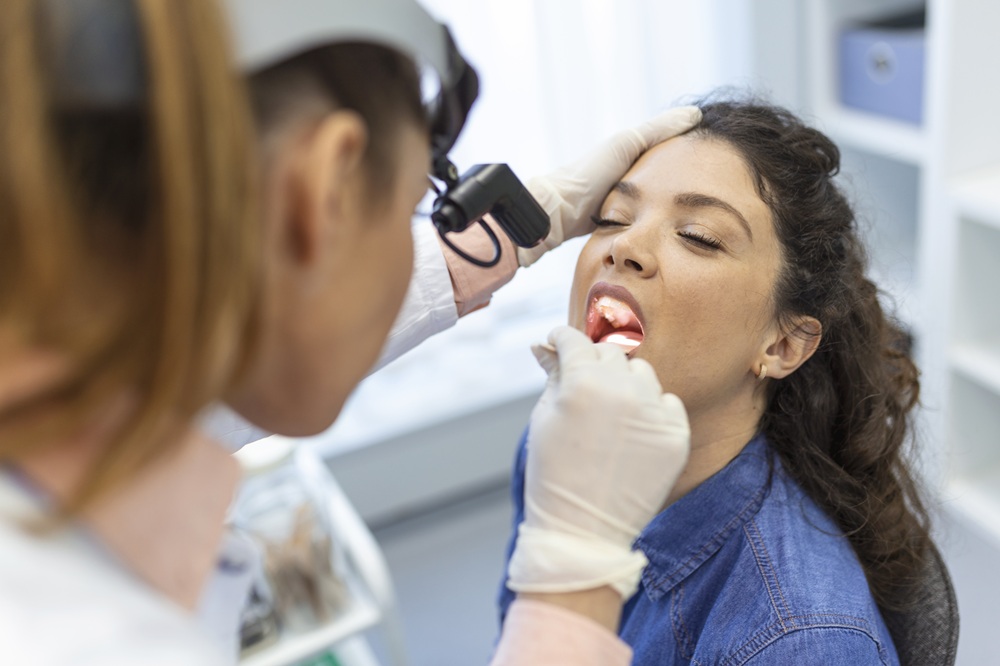
A dentist in Yaletown can check gum pockets, tooth mobility, bite changes, and nearby tissues. X-rays may help assess bone support or an injury. Sudden looseness after an accident needs prompt attention.
What Treatment May Help?
Treatment depends on the cause and the extent of support remaining. Options include professional cleaning, scaling and root planing to remove deposits below the gumline, periodontal maintenance, or a referral to a specialist. Treatment can control gum disease, but it can’t guarantee lost bone will return or that every loose tooth can be saved.
Good daily care supports treatment:
- Brush Gently: Use a soft-bristled toothbrush and fluoride toothpaste.
- Clean Between Teeth: Use floss or an interdental cleaner daily as advised.
- Avoid Tobacco: Smoking can worsen gum health and interfere with healing.
- Protect the Tooth: Avoid hard foods and do not repeatedly test its movement.
These habits support gum health, but they do not replace professional treatment when disease has advanced.
A dentist near you can assess a newly loose adult tooth and explain next steps. Do not wait for pain before arranging care.
Protect Your Tooth Stability
Check a loose adult tooth promptly, even if it isn’t painful. Finding the cause early can help you determine whether the tooth can be stabilized and what treatment you may need. Schedule a consultation with Abba Dental to assess your gum health and tooth stability.
Frequently Asked Questions
Can gum disease make a tooth loose?
Yes. Advanced periodontitis damages the gum attachment and bone that hold teeth in place. Injury and excessive bite forces can also cause looseness, so you need an examination.
Can a loose tooth from gum disease become stable again?
Treatment may reduce inflammation and manage mobility if enough support remains. The outcome depends on the extent of the damage and how the tooth responds to treatment. Routine periodontal treatment does not reliably restore lost bone, and some teeth cannot be saved.
Does a loose tooth always mean advanced gum disease?
No. Trauma, grinding, bite changes, and other dental problems can cause mobility. Gum disease may be present before a tooth feels loose. New movement, pain, or an injury warrants prompt assessment.
When should I seek an assessment for a loose adult tooth?
Arrange prompt dental assessment if an adult tooth feels loose, even without pain. Seek urgent care after an injury or if looseness is accompanied by swelling, pus, fever, or severe pain. If you have difficulty breathing or swallowing, seek emergency care.